
Athlete's Foot in Fairfax and Serving Vienna & Falls Church, VA
Athlete’s Foot: What It Is and How to Treat It
At Virginia Foot and Ankle Center, located in Fairfax and serving Vienna and Falls Church, VA, Dr. My Hoa Kaas and Dr. Jay Ryan understand how frustrating and uncomfortable athlete’s foot can be. This common fungal infection can leave your feet feeling itchy, irritated, and anything but healthy. We’re here to help you get back to feeling comfortable in your own shoes.
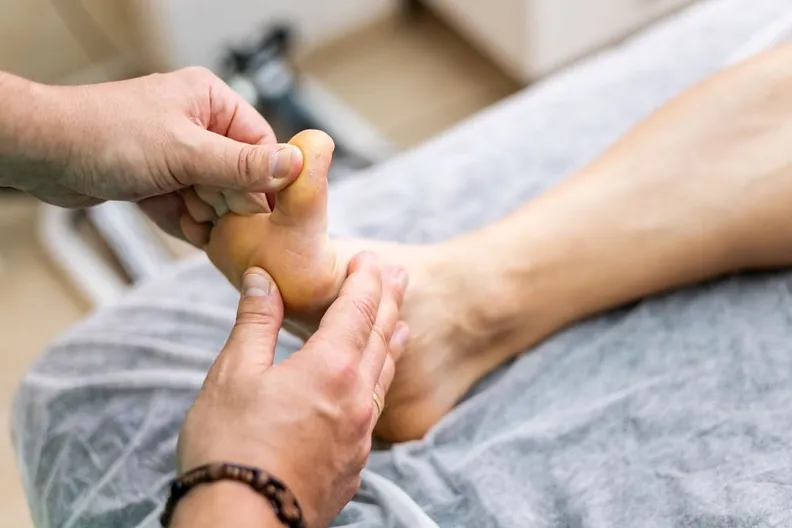
What Exactly Is Athlete’s Foot?
Athlete’s foot, also known as tinea pedis, is a fungal infection that affects the skin on your feet. It’s most often found between the toes or on the soles, where the environment is warm and moist, perfect conditions for fungus to thrive. Public places like locker rooms, swimming pools, and communal showers are common hotspots for picking it up.
The symptoms can range from mild itching and redness to more severe peeling, cracking, or even blisters. While it’s not usually serious, it can be incredibly uncomfortable and, if left untreated, may spread to other areas like your toenails or hands.
How We Treat Athlete’s Foot
At Virginia Foot and Ankle Center, we take a straightforward yet thorough approach to treating athlete’s foot. First, we’ll confirm the diagnosis and assess how advanced the infection is. For mild cases, we might recommend over-the-counter antifungal creams or sprays, paired with some simple changes to your foot care routine.
If the infection is more stubborn or keeps coming back, prescription-strength antifungal medications, either topical or oral, may be necessary. We’ll also talk about ways to prevent reinfection, like keeping your feet dry, wearing breathable socks, and avoiding walking barefoot in public spaces. Our goal is to not only clear up the infection but also help you avoid dealing with it again in the future.
Why You Shouldn’t Ignore It
Athlete’s foot might seem like a minor inconvenience, but ignoring it can lead to bigger problems. Cracked skin can open the door to bacterial infections, and the fungus can spread to your toenails, making it even harder to treat. Addressing it early means faster relief and fewer complications down the road.