
Achilles Tendon in Fairfax and Serving Vienna & Falls Church, VA
Understanding Achilles Tendon Pain: What It Is and How We Can Help
At Virginia Foot and Ankle Center, located in Fairfax and serving Vienna and Falls Church, VA, Dr. My Hoa Kaas and Dr. Jay Ryan know how frustrating and limiting Achilles tendon pain can be. Whether it’s a dull ache or a sharp twinge, discomfort in your Achilles tendon can make even simple activities feel like a challenge. We’re here to help you find relief and get back to moving with ease.
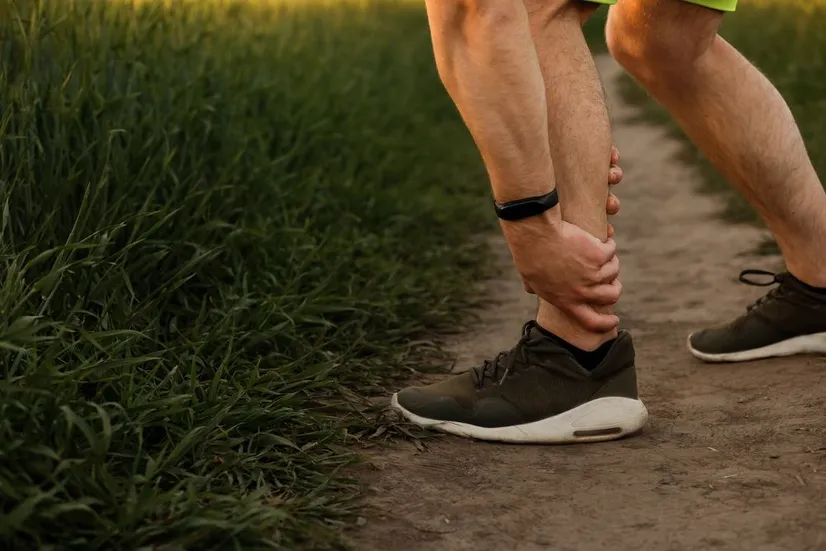
What Is the Achilles Tendon and Why Does It Hurt?
The Achilles tendon is the largest tendon in your body, connecting your calf muscles to your heel bone. It plays a crucial role in walking, running, and jumping, basically, anything that involves movement. But because it’s under constant strain, it’s also prone to injury and inflammation.
Achilles tendon pain can develop for a variety of reasons. Overuse is a common culprit, especially for runners or people who’ve recently increased their activity levels. Wearing unsupportive shoes, tight calf muscles, or even age-related wear and tear can also contribute. The pain might start as a mild stiffness in the morning or after exercise, but if left untreated, it can worsen and even lead to a tear.
How We Treat Achilles Tendon Pain
At Virginia Foot and Ankle Center, we take a personalized approach to treating Achilles tendon issues. The first step is understanding what’s causing your pain. Is it overuse? Poor footwear? A sudden injury? Once we’ve pinpointed the cause, we’ll work with you to create a treatment plan that fits your lifestyle and goals.
For many patients, conservative treatments like rest, ice, and stretching exercises can make a big difference. We might also recommend physical therapy to strengthen the surrounding muscles and improve flexibility. If your pain is more severe, advanced options like shockwave therapy or, in rare cases, surgery may be necessary.
Why It’s Important to Address Achilles Pain Early
Ignoring Achilles tendon pain can lead to bigger problems, like chronic inflammation or even a rupture, which requires surgery and a long recovery. Treating it early not only helps you feel better faster but also protects your tendon from further damage. Whatever the treatment, our focus is on helping you heal and preventing the problem from coming back.